Undoing Mistakes/Desfazendo erros
- Casual / 1.2
- by Witchery Studios / 112.61M
Undoing Mistakes/Desfazendo erros descarga gratuita
Descarga gratis Si la descarga no comienza,Haga clic aquí

-
Material que se puede usar para hacer cuerdas, zapatos y lona Pista de crucigrama - Try Hard Guides
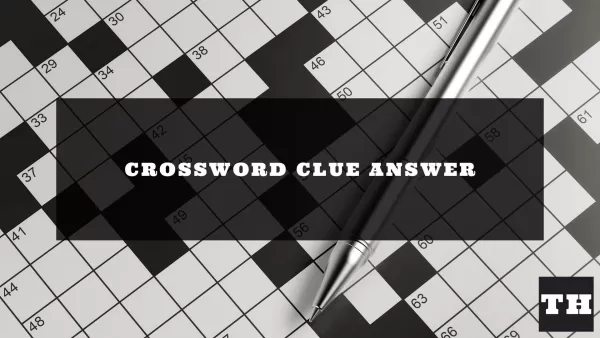
Tenemos la respuesta de 4 letras para el material adecuado para fabricar cuerdas, calzado y lona en este crucigrama, que apareció por última vez en The Atlantic Crossword el 23 de junio de 2026. Permítanos ayudarle a resolver esta pista complicada pa
Oct 11,2026 -
Deslízate por las pendientes digitales de Val d'Isère en Grand Mountain Adventure 2

Grand Mountain Adventure 2 se asocia con la legendaria estación de esquí de Val d'Isère.Explora versiones virtuales de sus icónicas pistas, justo a tiempo para la nueva temporada de esquí.Enfrenta el exigente Circuito de la Copa del Mundo o deslízate
Oct 11,2026 -
Alas de héroes: Los aviones de la Segunda Guerra Mundial añaden un nuevo modo PvE en dispositivos móviles

Alas de Héroes, el juego de combate aéreo de la Segunda Guerra Mundial de Ten Square Games, ha lanzado una nueva actualización. Introduce un nuevo modo Jugador vs Entorno llamado Defensa Total, añadiendo aún más intensidad y emoción a la experiencia.
Oct 09,2026 -
As of now, Kingdom Come: Deliverance 2 has not been officially released, so there is no confirmed information about "Sleep Options" in the game. However, based on the mechanics and design of the first Kingdom Come: Deliverance and what fans and developers have hinted at in interviews, here’s what we can reasonably expect regarding sleeping in Kingdom Come: Deliverance 2:
Likely Sleep Mechanics in Kingdom Come: Deliverance 2 (Based on Pre-Release Info & Trends):
In-Game Rest (Sleeping in Beds):
You’ll likely be able to sleep in beds at inns, castles, or private homes.
Proper sleep will restore stamina, health, and potentially improve character performance (e.g., reduced fatigue, better recovery).
Resting in the Wild (Camping):
Like in the original game, players may be able to set up camp and rest outdoors using blankets, fire, and shelter.
This would be a more "immersive" and risky option—potentially vulnerable to weather, bandits, or animals.
Day-Night Cycle & Consequences:
A full day-night cycle will likely be present, affecting gameplay.
Avoiding sleep may lead to fatigue, reduced combat effectiveness, or even hallucinations.
Sleep Quality & Immersion:
Developers have emphasized realism and immersion. Expect sleep to feel more "lifelike"—e.g., you might need to undress, lie down, and wait for the "rest" animation to complete.
Sleep may affect quest timers, NPC schedules, and travel.
No "Fast Travel to Sleep" – Emphasis on Realism:
Unlike some RPGs, you likely won’t be able to "teleport" to a bed and instantly sleep. The game will maintain its authentic medieval feel.
Possible New Features:
Enhanced sleep mechanics (e.g., dream sequences, mood effects, or impact on relationships).
Sleep as a strategic element (e.g., resting before a big battle, or avoiding sleep to push through a mission).
⚠️ Note: These are educated predictions based on the original game’s design, developer statements (Warhorse Studios), and industry trends. Official details will be confirmed at release.
Official Sources to Watch:
Warhorse Studios’ Official Website – https://www.warhorsesoftware.com
Kingdom Come: Deliverance 2 – Official Trailer & Dev Diaries (on YouTube)
Steam Page for KCD2 – https://store.steampowered.com/app/1502530/Kingdom_Come_Deliverance_2/
Summary:
While "Sleep Options" aren’t officially documented yet for Kingdom Come: Deliverance 2, expect them to be deeply integrated into the game’s realism and RPG mechanics—just like in the first game. Sleep will likely involve resting in beds or camping, with real consequences for fatigue and immersion.
Stay tuned for more updates closer to the official release (expected in 2024).
Let me know if you’d like tips on optimizing sleep or managing in-game rest! 😊
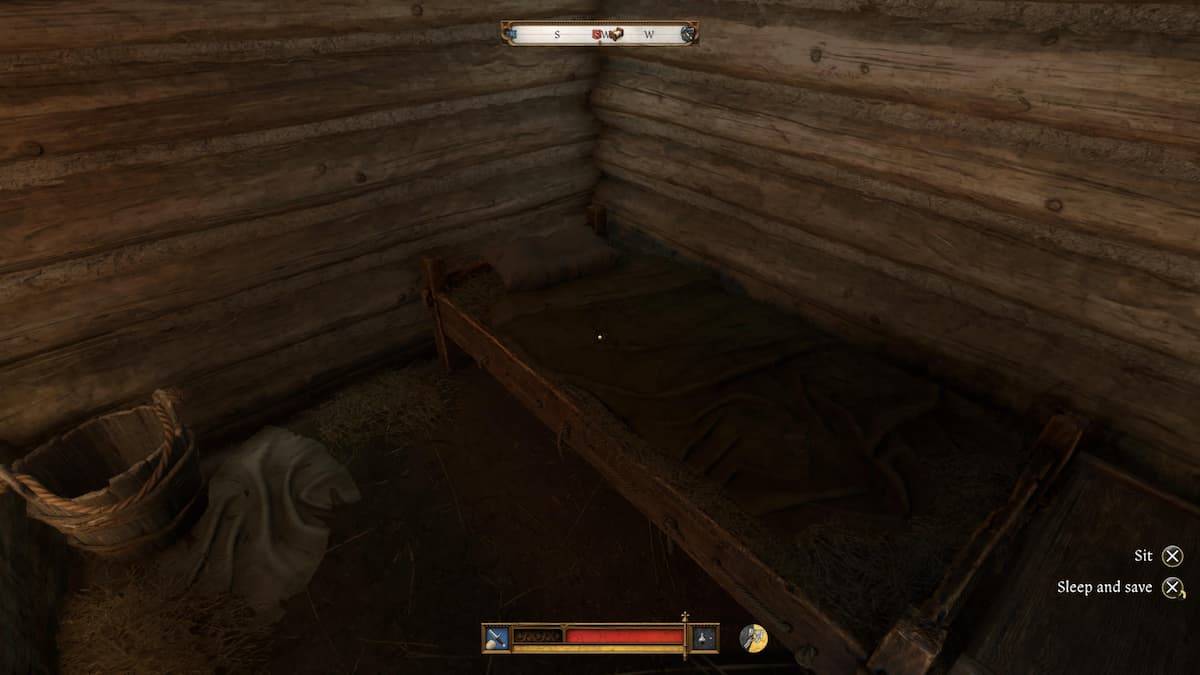
Absolutely — here's a polished and engaging version of your guide, optimized for clarity, tone, and reader experience, perfect for a gaming site like The Escapist:Where to Sleep in Kingdom Come: Deliverance 2Rest Your Body, Restore Your Strength — Wi
Oct 09,2026 -
New Star GP: Carreras de arcade de los creadores de New Star Soccer

New Star GP: Una experiencia de carreras retro para AndroidNew Star GP es un nuevo título de carreras con estilo retro disponible para Android. Desarrollado por New Star Games, los creadores de éxitos como New Star Soccer, Retro Goal y Retro Bowl, es
Oct 08,2026 -
Nintendo Direct confirma la fecha de lanzamiento de Switch 2
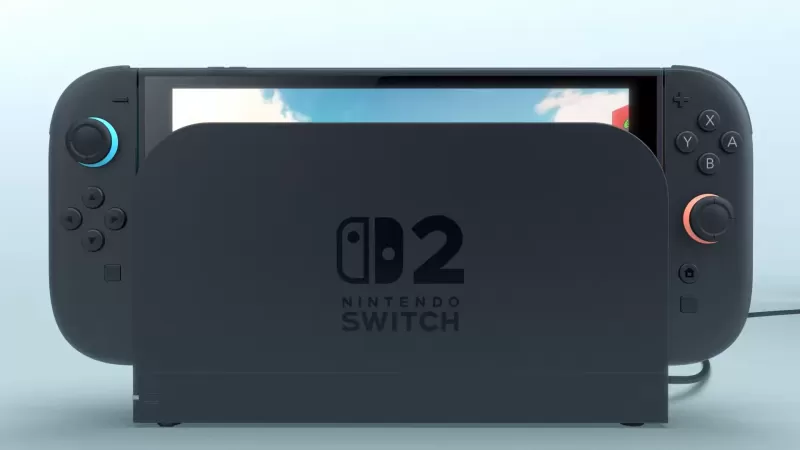
La Nintendo Switch 2 tiene finalmente una fecha de lanzamiento confirmada: el 5 de junio de 2025.El precio de salida de la Nintendo Switch 2 también se ha revelado hoy en 449,99 dólares.El paquete de la Nintendo Switch 2 incluye:Consola Nintendo Swit
Oct 08,2026













- Declarado: Guía de respeto Mar 12,2025
- MU Monarch SEA: códigos de canje de enero de 2025 publicados Jan 23,2025
- Ace the Chunin Exam: Ninja Time Guide Mar 27,2025
- Dragon Age: The Veilguard Concept Art revela planes tempranos para Solas Feb 02,2025
- Roblox Dig It Codes [enero de 2025] Feb 10,2025
- Pokemon Go Fest 2025: fechas, ubicaciones y detalles del evento Feb 26,2025
- "Guía para capturar y derrotar a Xu Wu en Monster Hunter Wilds" Apr 24,2025
- Monster Hunter Wilds Actualización 1: Marzo 2025 Showcase Highlights Mar 28,2025