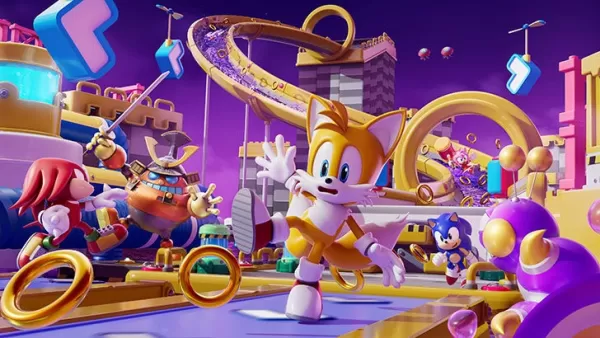
Sonic Rumble's global launch faces another delay, leaving fans understandably disappointed. What's causing these repeated setbacks? Are there technical hurdles affecting its rollout? What ambitious features require extended development? Let's examine the details.
Development Challenges Behind Sonic Rumble's Delay
Sonic Rumble's Rocky Road to Release
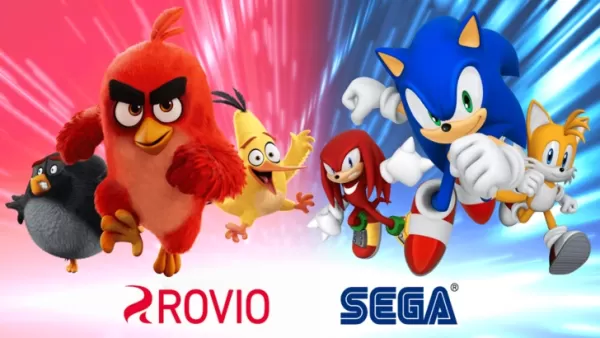
Sonic Rumble's journey to global release has been anything but straightforward. Announced in May 2024 as SEGA's entry into competitive mobile gaming, this colorful battle royale follows SEGA's $772 million acquisition of Rovio (creators of Angry Birds) eight months prior—a strategic move to strengthen SEGA's mobile capabilities according to their corporate reports.
The initial announcement promised a Winter 2024 debut featuring seasonal content, chibi-style characters, and chaotic 32-player mobile battles. Following regional tests across Asia and Latin America, the launch window shifted to Spring 2025 before settling on May 8—only to face yet another unexpected delay.
With launch preparations nearly complete, SEGA postponed the global release mere days beforehand. This eleventh-hour decision—coming nearly a year after reveal—raises legitimate questions. Why now, after extensive regional testing? What critical issues emerged that couldn't wait?
Regional Test Insights Prompt Major Refinements
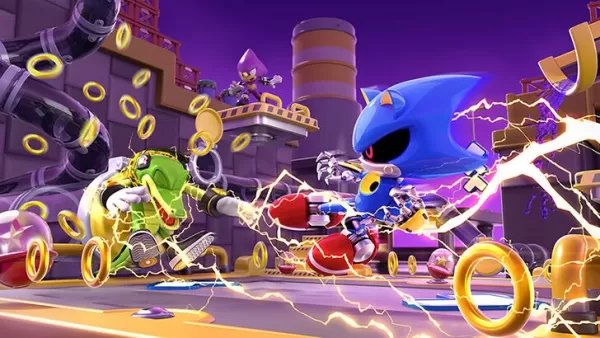
The answers lie in player feedback from over 40 test markets. While the Sonic-themed battle royale concept resonated, implementation issues surfaced—slippery controls, camera glitches, squad mode functionality problems, and persistent bugs. Despite being enjoyable, the consensus indicated the game wasn't tournament-ready.
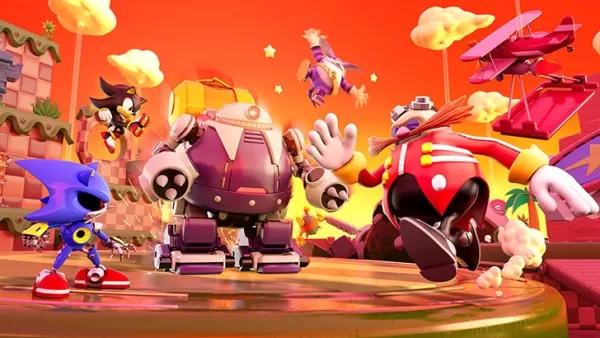
SEGA's March 2025 financial report acknowledged collaborating with Rovio to address these concerns. Leveraging Rovio's extensive mobile expertise appears crucial—they're rebuilding core systems rather than just patching bugs.
Hands-On Impressions From Pre-Launch Testing
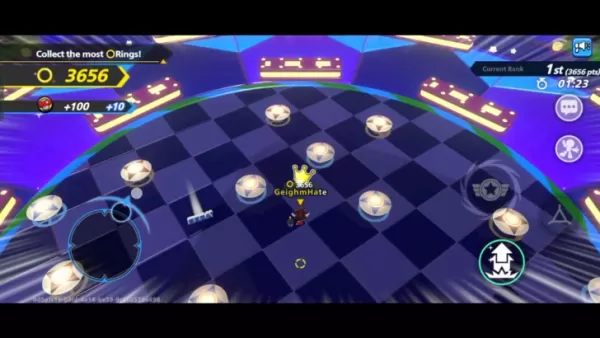
During my pre-launch sessions, Sonic Rumble proved surprisingly enjoyable despite technical hiccups. The vibrant visuals perfectly capture Sonic's aesthetic, blending 2D and 3D elements smartly. Simple controls (joystick movement plus three buttons) make it instantly accessible.
The free-to-play model avoids pay-to-win mechanics—characters differ cosmetically only. However, mobile staples appear: optional ads for rewards, purchasable Red Star Rings currency, and a Season Pass system.
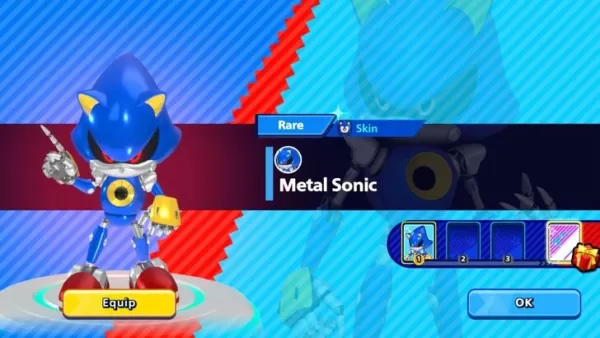
While fun, the core gameplay loop grows repetitive without competitive rankings or progression depth—more Fall Guys (2020) than modern live-service title.
Game-Changing Version 1.2.0 Update
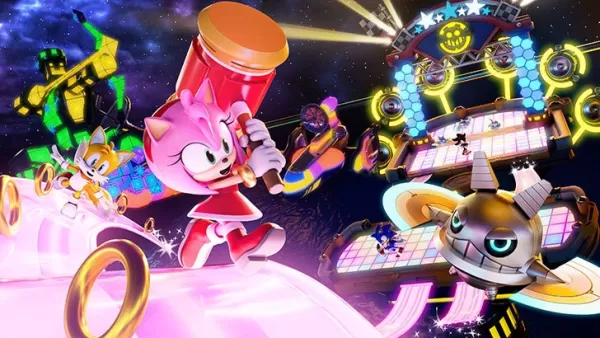
The delayed Version 1.2.0 update introduces transformative features: competitive Rumble Rankings, Crew social systems, and character Skills that fundamentally change gameplay. Progression systems receive complete overhauls—replacing enhancement materials with universal Tune-Up Wrenches and simplifying score bonuses.
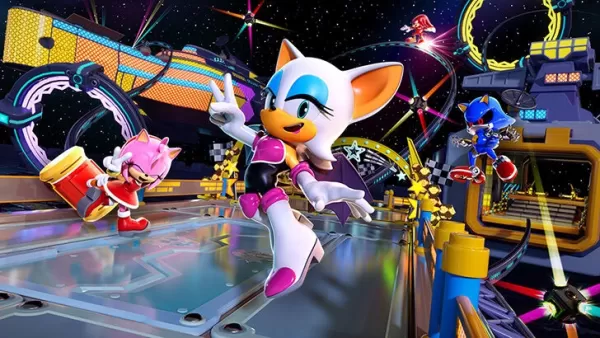
SEGA confirmed these additions necessitated the delay—launching without them would compromise their long-term vision.
Delay Frustration With Long-Term Potential
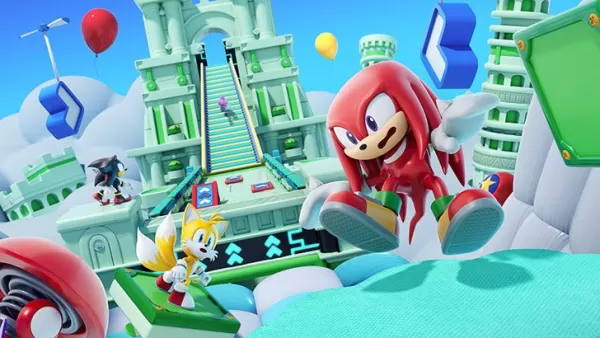
While frustrating, this delay demonstrates SEGA's commitment to quality—they're rebuilding rather than rushing. If Version 1.2.0 delivers on its promises, Sonic Rumble could evolve from a fun distraction into a sustainable mobile ecosystem with competitive depth.
In a market that prioritizes speed, SEGA's patience with Sonic Rumble is noteworthy. Maybe slow and steady truly can win this race.