Ashly Burch, the actor behind Aloy in the Horizon series, has spoken out about the leaked AI Aloy video, framing it within the broader context of striking voice actors' demands.
Last week, The Verge reported on an internal Sony video demonstrating an AI-powered character based on Aloy from Horizon. Sony has not yet responded to IGN's requests for comment on the matter.
The now-deleted video featured Sony Interactive Entertainment director of software engineering, Sharwin Raghoebardajal, conversing with an AI-generated Aloy. Using voice prompts, the character responded with AI-generated speech and facial animations. When asked how she was doing, the AI Aloy replied, "Hello, I'm managing alright. Just dealing with a sore throat. How have you been?"
The voice used was clearly not Burch's, instead resembling a robotic text-to-speech generator. The character's facial movements were stiff and its eyes appeared lifeless during the exchange.
The Best PlayStation Character Face-Off
Pick a winner

New duel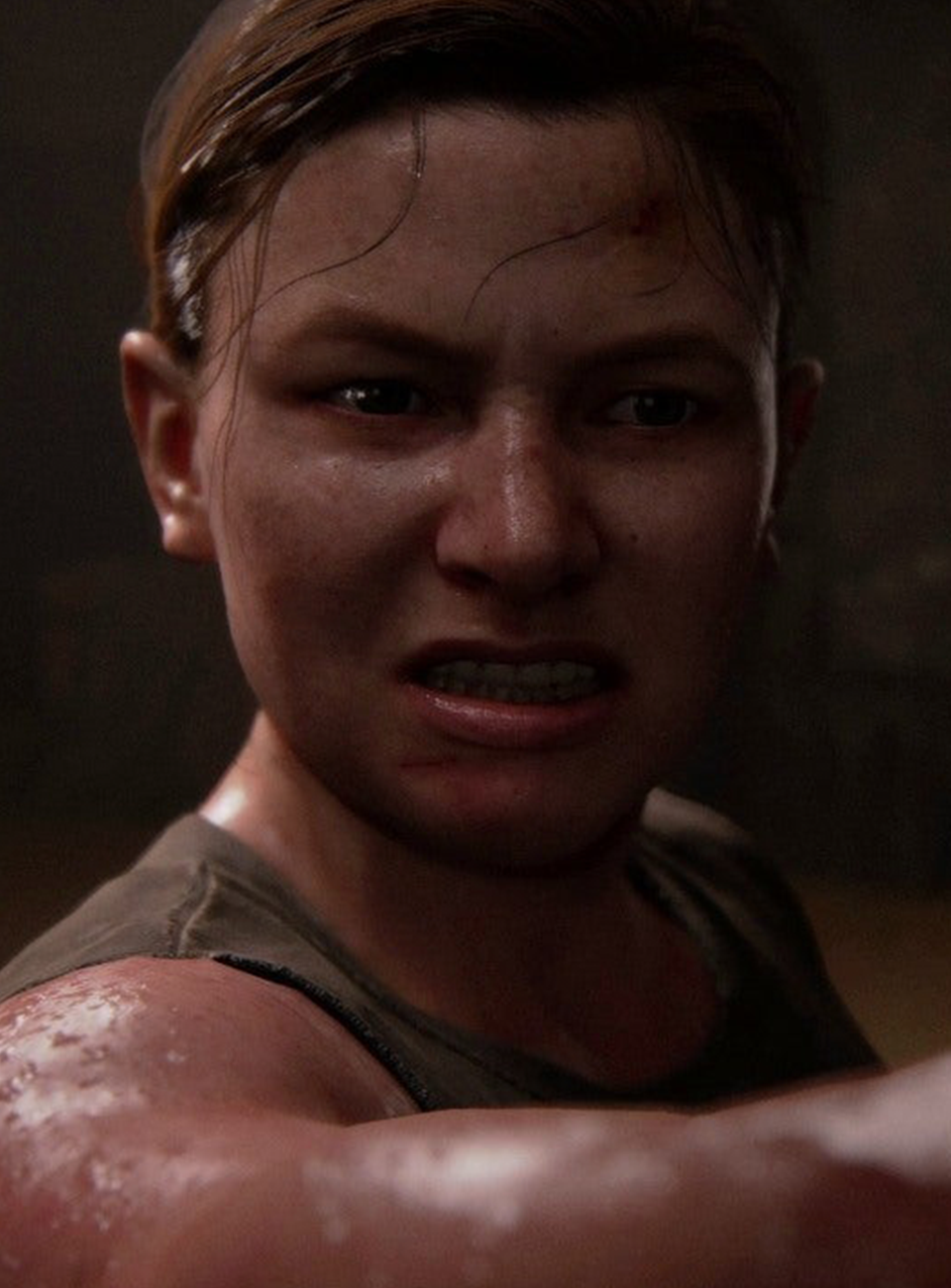 1ST
1ST 2ND
2ND 3RDSee your ResultsFinish playing for your personal results or see the community’s!Continue playingSee results
Burch, who has voiced Aloy across all four Horizon games released to date, addressed the video on TikTok. She confirmed that developer Guerrilla contacted her to clarify that the tech demo does not reflect any active development and did not utilize any of Burch's performance data—neither voice nor facial. This strongly suggests AI Aloy will not be featured in the upcoming Horizon multiplayer title or the inevitable Horizon 3. However, as Burch noted, Guerrilla and its parent company Sony own the rights to the Aloy character.
Burch expressed that the video left her "worried about game performance as an art form" and used it to highlight the critical issues at the heart of the ongoing video game voice actors' strike.
SAG-AFTRA recently updated its members on negotiations concerning AI protections in video games, stating that while there has been progress, the parties remain "frustratingly far apart" on key issues.
“The core of our fight is for consent before creating any AI version of a performer, fair compensation for its use, and transparency about how that AI double will be employed,” Burch explained.
“My worry isn't about the technology itself, or even that game companies want to use it—of course they do. They've always adopted new tech. I'm haunted by the thought of a similar video being released that *does* use someone's actual performance—their voice, face, or movements. And if we lose this fight, that person would have no recourse, no protections, no way to fight back. That possibility is heartbreaking and terrifying. I love this industry and art form deeply. I want a future with a new generation of actors, more incredible performances, and a sustainable career path. If we don't win, that future is severely compromised.
“I’m not trying to single out any specific company,” Burch continued. “Certainly not Guerrilla. The technology isn't the enemy, nor is the industry's interest in using it. The problem is we are on strike because the bargaining group refuses to agree to these basic, common-sense protections.
“I fully support the strike. I believe this fight is essential to protect the future and longevity of the career we all love.”
She then highlighted the availability of temporary union contracts, such as the interim, tiered, and low-budget agreements, which any game company can sign today to grant the very protections actors are demanding. “These protections are available right now,” Burch asserted. “I believe we deserve to be protected.”
@ashly.burch let us speak on AI aloy
♬ original sound - Ashly Burch
Generative AI remains one of the most contentious topics in gaming and entertainment, industries that have faced significant layoffs. It faces criticism from players and creators alike over ethical concerns, rights issues, and its current inability to reliably produce engaging content. For example, Keywords Studios' internal attempt to create a game entirely with AI failed, with the company telling investors AI was "unable to replace talent."
Despite such setbacks, several game companies are integrating generative AI into development. Activision recently disclosed using generative AI for some Call of Duty: Black Ops 6 assets on Steam, a move that followed backlash against an "AI slop" loading screen.
The voice actor strike is already affecting games. Players have noted that titles like Destiny 2 and World of Warcraft have unvoiced NPCs in scenes that would typically feature dialogue, likely a strike consequence. Last year, SAG-AFTRA sanctioned Riot Games after it allegedly attempted to circumvent the strike by canceling a project. Activision also confirmed it recast characters in Call of Duty: Black Ops 6 after fan concern over new voices.
Most recently, two voice actors for Zenless Zone Zero discovered they were replaced only upon reading the game's patch notes.
Asad Qizilbash, Head of PlayStation Productions, recently commented on AI's role, stating its importance for Gen Z and Gen Alpha players who desire personalized experiences.
“For instance, non-player characters could interact with players based on their actions, creating a more personal feel,” Qizilbash said. “This is crucial for younger audiences who grew up digitally; they seek personalization and meaningful experiences in everything they do."